> For the complete documentation index, see [llms.txt](https://dog-card.gitbook.io/dog-card/llms.txt). Markdown versions of documentation pages are available by appending `.md` to page URLs; this page is available as [Markdown](https://dog-card.gitbook.io/dog-card/introduction.md).
# Introduction
## tf is Dog Card?
The name says it all 🤷🏻♂ Cards with an image of Doggo 🐶
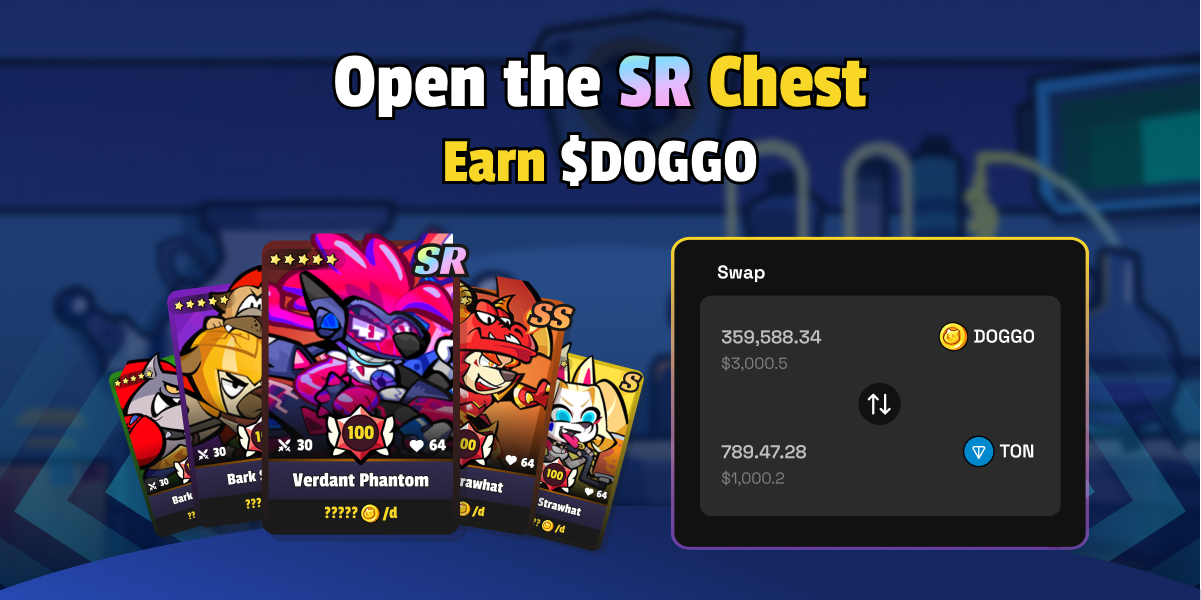
Dog Card is the first trading card game (TCG) built on the TON network, offering players an environment to explore all kinds of doggos, collect their favorite doggos, build their card deck of doggos, battle against other players' doggos, and earn new doggos with rewards. Players can evolve their collections by obtaining doggo cards with better stats, creating stronger decks, and climbing the leaderboard for exclusive community rewards.
## Hypothesis
Developing a trading card game on the TON blockchain is a compelling idea because it can inherit the strengths of TON’s massive, existing user base from Telegram with a community-driven gameplay experience.
*Dog Card* thrives on player interaction, encouraging trading, card upgrades, and deck evolution, creating a dynamic and engaging ecosystem where competition and collaboration coexist.
By leveraging TON’s seamless integration with Telegram, the game can reduce onboarding friction for its 1B+ potential users, while its community-focused design—centered on trading, progression, and leaderboard competition—fosters long-term engagement and growth.
This synergy between TON’s infrastructure and *Dog Card*’s gameplay mechanics positions it for success in the growing blockchain gaming space.